Warning Signs of Periodontal Disease
Periodontal disease, also known as periodontitis, is the inflammation that occurs around the tooth when gingivitis is not treated. This causes the gums to pull away from the teeth and form “pockets” (spaces between teeth and gums).
Risk Factors
- Smoking
- Hormonal changes
- Medications
- Diabetes
- Genetic susceptibility
Signs of Periodontal Disease
- Red or swollen gums
- Sensitive teeth
- Loose teeth
- Bleeding gums
How is Periodontal Disease Treated?
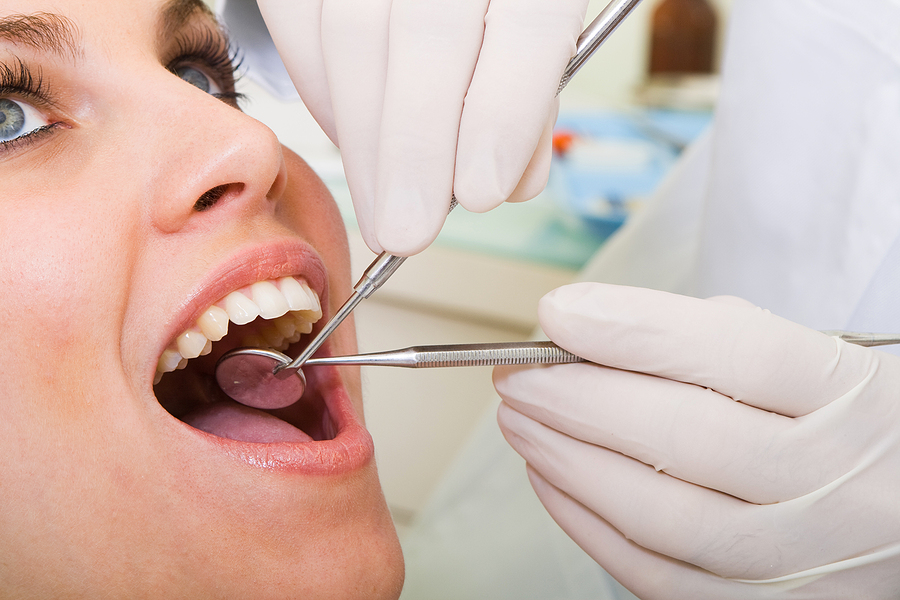
Make an appointment with a dentist for an exam and x-rays. Your dentist will ask about your medical conditions to determine if there are any underlying conditions that may contribute to periodontal disease. X-rays will be done to see whether there is any bone loss. You may be referred to a periodontist to diagnose and treat the gum disease.
How to Prevent Periodontal Disease?
- Brush your teeth twice a day
- Do not use tobacco products
- Remember to floss every day
- Visit your dentist regularly
Do you need to make an appointment with a dentist or periodontist? Click here to schedule an appointment.