How to Know If You Need Your Wisdom Teeth Removed
Your wisdom teeth, or third molars, typically emerge last, often into adulthood. Although not everyone needs them removed, many people do, and they can cause problems for some people as well. Wisdom teeth are common, but knowing if you need them removed can be a challenge. We’ll explore the signs, symptoms, and situations that signal it’s time to talk to a dentist about getting your wisdom teeth removed.
What Are Wisdom Teeth?
As mentioned, the wisdom teeth are essentially your third set of molars. However, they can be unique because some people may only have them on the top, or on the bottom, and some have all four. They are inevitable if you have them, and many people opt to have them removed, or they may need them removed depending on their situation.
Why Do They Cause Problems?
The issue with wisdom teeth is the structure of our jaws as modern humans since they aren’t structured to fit another set of molars. This is why many people can have discomfort and additional issues if there isn’t enough room for the molars to pop through. Some wisdom teeth may also become impacted, where they’re prevented from emerging and cause immense pain as they continue to push into your gums or other teeth.
Signs That You May Need Your Wisdom Teeth Removed
Knowing the signs of whether or not you need your wisdom teeth removed can help you determine when you should talk with a dentist. Although these signs don’t necessarily mean you need your teeth removed, you should still consider them. Here’s a list of signs to watch for that may indicate if your wisdom teeth need to be removed:
Pain or Discomfort in Back of Mouth: You may find that you have aull or sharp aches and pains in that area. You may also have pain that radiates to your jaw, ear, and head, and it may worsen when you chew.
Swelling and Tenderness: Your gums will feel swollen tender, and they may appear red. The swelling can come and go, or it can be persistent.
Signs of Infection: Watch for signs of infection, which canhappen wheny gumtissue coversg the toot,and trapsd bacteria and food. You may have a bad taste, odor, pus, or difficulty opening your mouth. You’ll need to see a dentist as soon as possible if you experience any of these symptoms.
Shifting Teeth and Crowding: As your wisdom teethcome in, they can push your adult teet,h causingshiftings or crowdinh. This can damage and pain the surrounding teeth and areas of the mouth, which is why dentists monitor emerging wisdom teeth with X-rays over time.
Jaw Pain or Stiffness: You may experience pain that radiates to the jaw or causes jaw stiffness. Difficulty opening your mouth, tightness, and soreness are all signs that could indicate impaction of the tooth on the nerves or surrounding areas.
Why Your Dentist May Recommend X-Rays
An X-Ray is a go-to option for dentists who are dealing with a patient that has wisdom teeth coming in. Although you may not have pain, dentists often want to take regular X-rays to monitor the emerging tooth and ensure it doesn’t become impacted, get infected, or cause problems in the surrounding areas of your mouth. Early evaluation and early intervention can help avoid potential problems that can cause pain or damage to your gums and surrounding teeth.
Why Might You NOT Need to Have Your Wisdom Teeth Removed
Some people can have their wisdom teeth their whole life with no problems, while others will have to get them removed. Ultimately, some people may have wisdom teeth that are fully erupted, properly aligned, or easy to clean, making it no issue. If you’re not having pain, infection, or crowding, then your dentist may allow your teeth to come all the way in as well. Regular monitoring is still recommended,, as your dentist will want to ensure there are no problems as it emerges.
What to Expect During Your Wisdom Teeth Evaluation
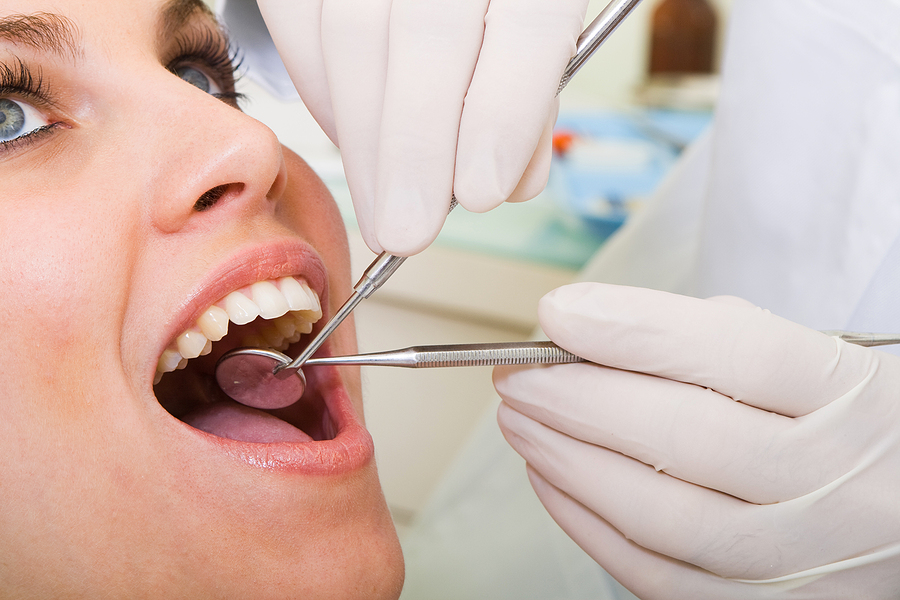
You’ll want to visit your dentist if you think that your wisdom teeth are emerging, as it’s best to ensure they won’t cause issues as they come in. When it comes to your wisdom tooth removal, you should expect a dental exam andX-rayy where the dentist will look at your wisdom teeth and the surrounding areas. They’ll give you a treatment plan based on what they find, which can include things like monitoring it or extracting it. Typically, the decision is based on whether the tooth is impacted or not, which the dentist cano see during their exam andX-rayy. The evaluations shouldd be fairly simple and will give yo, and your dentis, a clear planforn how to deal with the emerging wisdom teeth.
Do You Need Your Wisdom Teeth Removed?
If you have experienced any of the symptoms that we’ve gone over in this article, then you’ll want to get evaluated to see if your wisdom teeth are the culprit. Ultimately, your dentist will decide if you need your wisdom teeth removed or not, so making an appointment with your dentist sooner rather than later is essential to getting ahead of any problems. Your wisdom tooth evaluation will determine whether if the discomfort you’re feeling is from them emerging and what the best treatment plan is. The sooner you go to the dentist to be seen, the less likely you are to experience negative outcomes from wisdom teeth coming in. Pain isn’t the only sign, so familiarizing yourself with the signs of a wisdom tooth will help support early intervention. If you think that you have a wisdom tooth emerging, contact us today to set up an appointment for an evaluation!